







Search Results for: weight regain

Three drinks a day to lose four jin? Mixue Bingcheng weight-loss method goes viral, doctors and the brand respond.
Recently, a so-called "Mixue Bingcheng weight-loss method" has become popular on social platforms. The routine involves drinking grape iced Americano, jasmine green tea, and iced fresh lemonade in sequence within one day, while trying not to eat anything else. Some followers claim they can lose three to four jin the next day. This method is essentially similar to a liquid fast, relying on water loss and a reduction in intestinal contents rather than actual fat loss. Many who tried it reported discomfort such as weak hands and feet, palpitations, headaches, and insomnia, and doctors also warn that using it rashly may trigger hypoglycemia, hair loss, and even abnormal liver and kidney function. Both Mixue Bingcheng stores and customer service said that these three drinks have no weight-loss effect. [more…]

The Complete Moka Pot Guide: From Extraction Principles to Safe Operation, a Great Choice for Home Coffee
In the specialty coffee wave, the moka pot is often labeled as outdated and hard to use, but this simple, affordable home device can actually easily produce coffee at sixty to seventy percent of the level of espresso. From Front Street's perspective, this article systematically explains the moka pot's extraction principles, why it has regained attention in recent years, how to use it to make milk coffee and latte art, and the safety details you must pay attention to during use. It also teaches you how to choose freshly roasted medium-dark roast beans to achieve an ideal layer of crema. Whether you are just starting out or looking to rekindle an old love, this guide can help you safely and consistently enjoy the rich flavor the moka pot brings. [more…]

Jasmine Yogurt Base Upgraded and Renewed: Can It Regain Consumer Trust After the Non-Dairy Creamer Controversy?
Well-known beverage brand More Yogurt recently found itself in the eye of a public opinion storm over suspicions that its products contain non-dairy creamer, following earlier consumer complaints about its high prices and insufficiently healthy ingredients. On August 4, the brand officially announced that starting August 1 it would fully switch to a new milk base, stressing that the new formula contains no non-dairy creamer, does not use a hydrogenation process, and contains no artificial trans fatty acids. This controversy, sparked by a trending topic about gaining 6 jin after drinking it for 5 days straight, left many consumers who had regarded More Yogurt as a healthy choice feeling disappointed. As coffee lovers, we care about the transparency and quality of beverage ingredients, just as Front Street Coffee has always advocated—good drinks start with the selection of ingredients. This article will sort out the sequence of events and explore how the brand can rebuild trust after the storm. [more…]
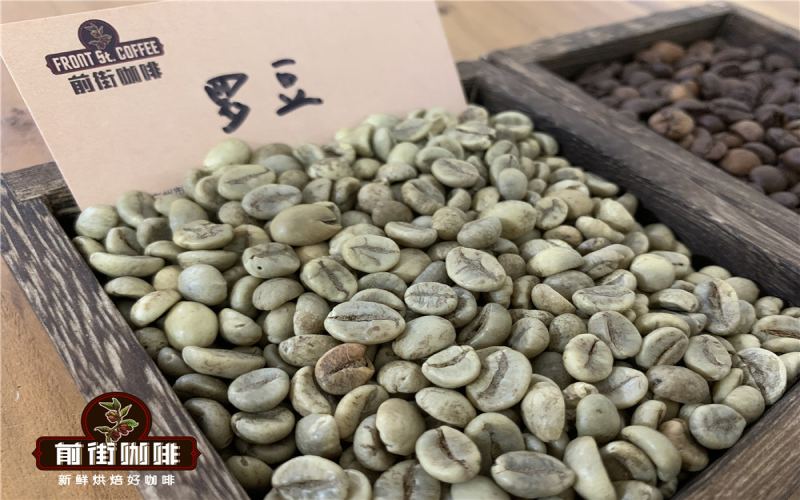
The Current State of the Robusta Coffee Bean Industry and Its Derived Varieties: From Misunderstood to Regaining Favor in Espresso Blends
People who drink coffee regularly are no strangers to the name Robusta. It is often labeled as "poor quality" and "unpleasant to drink," and its popularity falls far short of Arabica. But is this really the case? This article will help everyone get to know this unfairly stigmatized variety anew: from its botanical classification and origins, to its disease-resistant and high-yielding characteristics, to the bitter flavor brought by chlorogenic acid, and its irreplaceable role in espresso blends. Front Street will also share how, through Robusta blending, espresso can present rich crema and a creamy mouthfeel, offering beginners who want to try Robusta a starting point. [more…]

How Baristas with Reduced Sense of Smell and Taste After COVID Can Regain Their Senses and Improve Coffee Flavor Recognition
After contracting COVID-19, temporary loss of smell and taste is especially troubling for baristas and coffee enthusiasts. Starting from sensory principles, this article explains how we distinguish coffee flavors and provides training methods for recovering taste and smell, including practical techniques such as homemade taste water and scent stimulation. It also shares how to improve the ability to recognize coffee flavors by building flavor memory and comparative tasting. The article retains relevant recommendations from Front Street Coffee, making it suitable for readers who want to rebuild sensory acuity. [more…]

Ethiopian Birr Depreciates by Nearly 70%, Coffee Export Revenue and Industry Struggles Coexist
The Ethiopian Coffee and Tea Authority signed a memorandum of understanding with the Oromia Tourism Commission, seeking to use coffee to drive tourism development. In the previous fiscal year, the country earned US$1.4 billion in foreign exchange from coffee exports, but the industry is broadly worried about the impact of the sharp fall in the exchange rate—the birr has depreciated by nearly 70% against the US dollar, and the local cost of living has risen sharply, with prices of staple foods such as onions, cooking oil and teff soaring. The government is releasing supplies to stabilize prices while preparing to regain AGOA eligibility. However, with the cloud of armed conflict still hanging over the country, the coffee industry faces multiple pressures from rising cultivation costs, limited productivity and political instability. [more…]
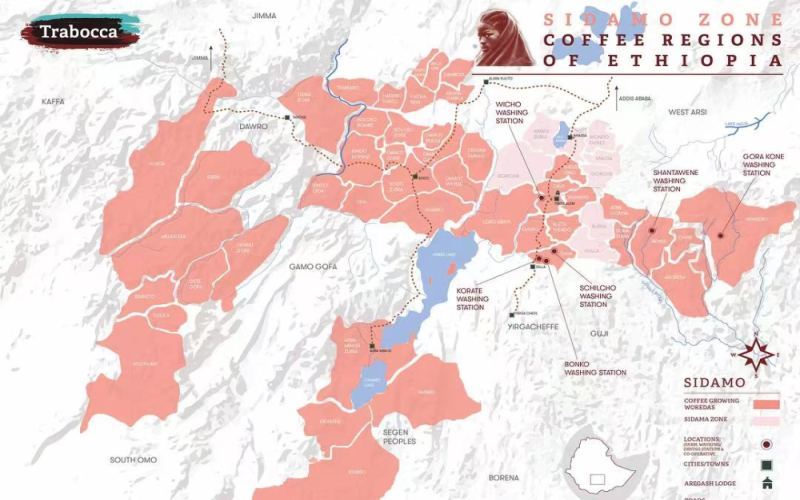
Yirgacheffe G1 Coffee Beans: Detailed Explanation of Flavor Differences Between Natural and Washed Processing Methods
Yirgacheffe is a representative region for Ethiopian specialty coffee, and its two processing methods—washed and natural—shape distinctly different flavor directions. From the perspective of Front Street Coffee, this article systematically reviews Yirgacheffe's geographical background, the evolution of processing methods, and the specific differences between washed and natural in green bean appearance, silver skin residue, and mouthfeel performance. The article describes in detail the flavor characteristics of two representative coffees—Front Street washed Gedingding and Front Street natural Red Cherry—and introduces how the natural processing method regained market recognition after improvements by Baghi. Whether you are a beginner just getting into specialty coffee or an enthusiast who wants to understand more deeply how processing methods affect flavor, you can gain clear and practical reference from it. [more…]

Starbucks' Schultz plans to visit China with new CEO—can the Chinese market turn the tide?
Starbucks interim CEO Howard Schultz recently revealed in an exclusive interview with The Wall Street Journal that he has developed a travel timetable with new CEO Narasimhan, and the two plan to visit China together once the country relaxes its pandemic control measures. Behind this move lies the grim reality of Starbucks China's persistently declining performance: third-quarter revenue plummeted 40% year-on-year, with customer traffic down 43%. Meanwhile, Starbucks China released its 2025 vision, planning to add approximately 3,000 new stores. Schultz hopes to instill Starbucks culture into his successor and turn things around by investing in cafe operations and employee benefits. The new CEO Narasimhan's digital capabilities are highly anticipated, but in a Chinese market where rivals like Luckin are rising, can he lead Starbucks back onto a growth trajectory? [more…]
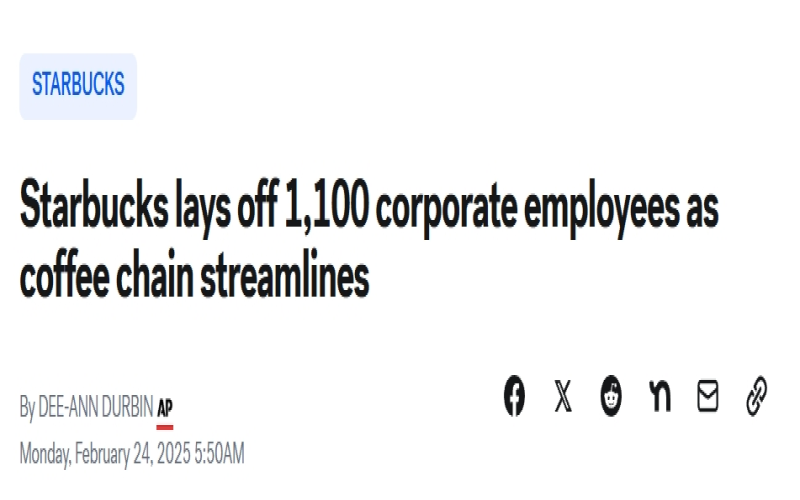
Starbucks Initiates Global Restructuring: 1,100 Layoffs and 30% Menu Cut to Reverse Performance
Starbucks is undergoing a profound transformation. In response to persistently declining sales, the company has announced it will lay off 1,100 corporate employees worldwide and freeze hiring for hundreds of open positions, while also planning to cut 30% of its menu offerings. New CEO Brian Niccol stated that the move aims to reduce management layers, improve decision-making efficiency, and make the corporate structure leaner and more agile. The first round of menu adjustments will take effect on March 4, involving 13 beverages including Frappuccinos and Royal English Tea Lattes. Whether this transformation can help Starbucks regain its growth momentum is something the industry is watching closely. [more…]

Why Does Coffee's Flavor Take a Big Hit When It Cools? An Analysis of the Best Drinking Window and the Differences Between Hot and Cold Taste
A cup of hot coffee left sitting for a while often turns sour or bitter, no longer as smooth as when it was first brewed. This is partly due to the continued loss of volatile aromatic compounds within the coffee, and partly related to differences in how the human body perceives taste at different temperatures. Sweetness is most prominent near body temperature, while as the temperature drops, the intensity of sourness and bitterness relatively increases. Ice hand-brewed coffee likewise faces the problem of dilution in concentration after the ice melts. So, within how long should coffee really be finished? Can it be reheated to restore its original flavor after cooling? Front Street Coffee has provided answers through experiments, and this article will analyze these phenomena one by one to help you enjoy your coffee at the optimal moment. [more…]
Analysis of Coffee Varieties in Yunnan Baoshan Region: How Does Small-Bean Typica Taste as Cold Brew?
Yunnan Baoshan's small-bean coffee has long been exported overseas, but do you know what variety it actually belongs to? Most Yunnan beans on the market are Catimor, while traditional Typica is regaining attention for its unique flavor. This article walks you through the variety lineage of Baoshan small-bean coffee, and uses a Front Street Coffee sun-dried Typica as an example to break down the cold brew process step by step, including grinding parameters and storage tips. If you're also curious whether Yunnan Typica makes good cold brew, why not follow along and give it a try yourself. [more…]

Shanghai's first day of full recovery: coffee shops reopen, scenes of people lining up to buy coffee return to the streets
On June 1, Shanghai reached an important milestone in fully restoring normal production and daily life. After more than two months of home quarantine, coffee lovers finally smelled the aroma of coffee wafting through the streets and alleys once again. From chain brands to independent shops, coffee stores reopened one after another, with takeout and self-pickup orders surging—some shop owners even sold over a hundred cups of coffee to passersby while the shutter was only half open as they were adjusting equipment. This article documents the real scenes of the coffee industry's recovery before and after Shanghai's lockdown was lifted, and citizens' eager anticipation for a freshly ground cup of coffee. [more…]

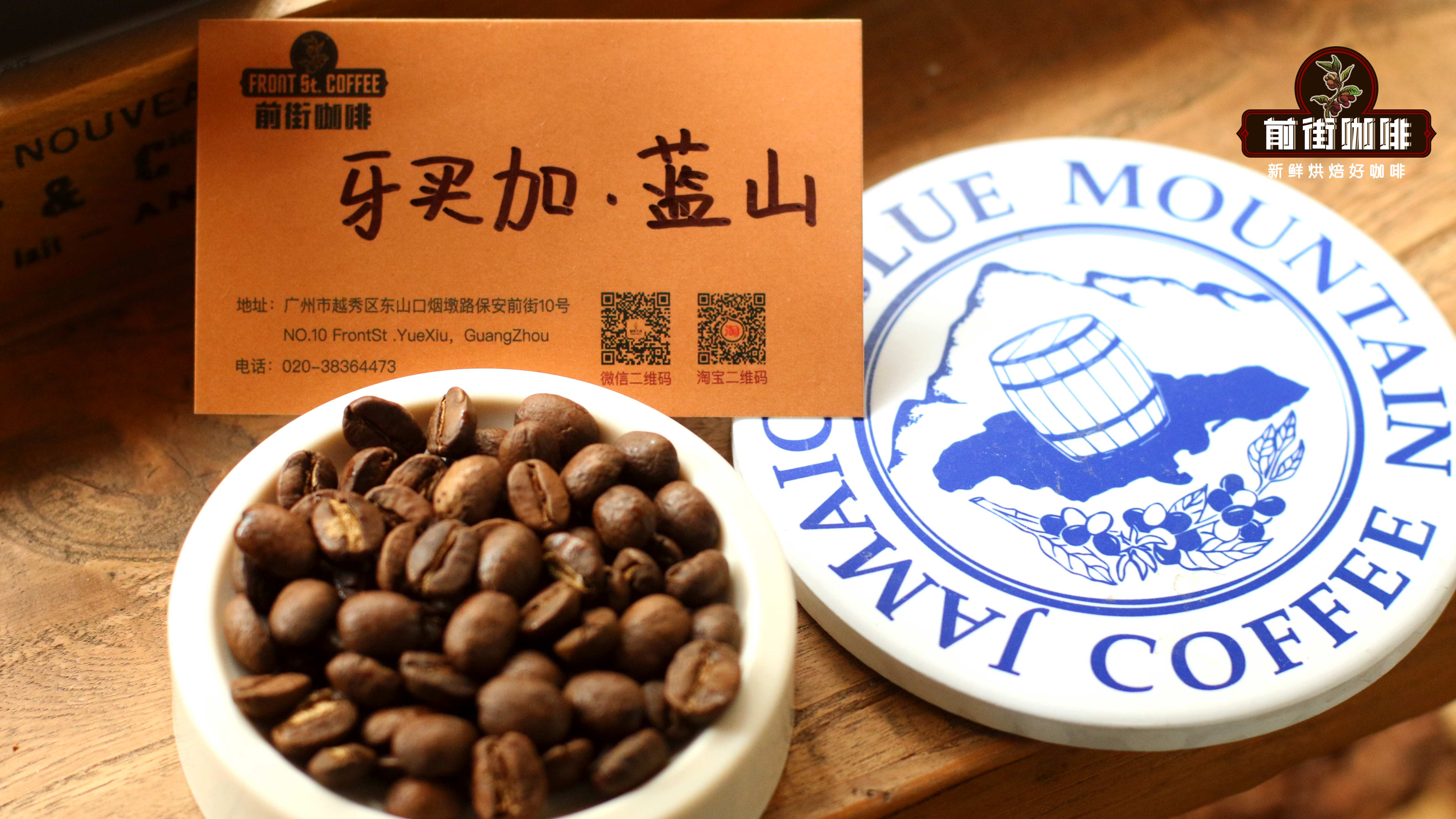
What Makes Jamaican Blue Mountain Coffee Unique? A Complete Guide from Regional History to Flavor Grade
Since the expiration of the contract between Jamaica and Japan in 2008, Blue Mountain coffee has gradually come into the view of more coffee lovers. However, many people feel puzzled after tasting it: it seems to be just a smooth cup of dark-roasted coffee, so why does it enjoy such a lofty reputation? To understand the true value of Blue Mountain coffee, we need to return to its place of origin, the Blue Mountains of Jamaica, and sort through nearly three hundred years of cultivation history. From the introduction of Typica plants in 1728, to the industry's takeoff in 1790, and then to the dramatic turning point after the abolition of slavery in 1834, Blue Mountain coffee's rise to fame was no accident. This article will fully reconstruct this history, analyze the characteristics, grade positioning, and origin background of Blue Mountain coffee, and retain relevant recommendation information from the Front Street brand, taking you to rediscover this "King of Coffee." [more…]

Boycott Wave from the Israeli-Palestinian Conflict Hits Starbucks Malaysia: Losses Exceed 100 Million in Half a Year, Franchisee Issues Urgent Clarification
Since the outbreak of the Israeli-Palestinian conflict, American chain brands have faced waves of boycotts in Muslim-majority regions, with Starbucks bearing the brunt. In Malaysia, a Muslim-majority country, local consumers' boycott of Starbucks has led to a sharp drop in foot traffic. The latest financial report from franchise operator Berjaya Food shows that in the first half of this year, its Starbucks business suffered a massive loss of 87.34 million ringgit (approximately 143 million RMB). To reverse the decline, Berjaya Food has repeatedly stated that Starbucks Malaysia is wholly owned by a local listed company, with employees almost entirely local and mostly Muslim, in an attempt to distance itself from the US headquarters. However, the boycott continues, even affecting employees' livelihoods and stock performance. How this situation will unfold and whether Starbucks can regain local consumers' trust is worth watching. [more…]
The Forgotten Large-Bean Liberica: Can Excelsa Coffee Become a New Choice in a Warming Climate?
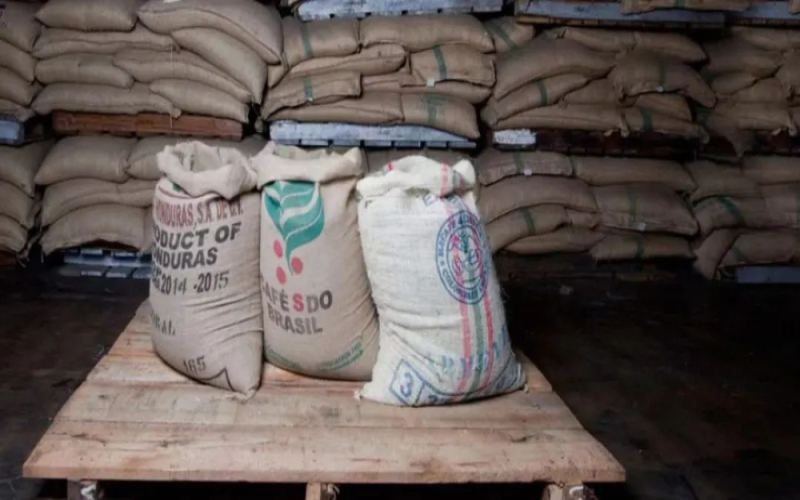
Today, when Arabica and Robusta absolutely dominate global coffee supply, a species once forgotten for its poor flavor—Liberica (Coffea liberica)—is re-entering researchers' view. From 2021 to 2022, climate change-induced droughts tightened coffee inventories and sent prices soaring, with Arabica prices doubling in a short period. Facing the crisis of shrinking arable ranges, academia proposed three paths: relocating production areas, adjusting cultivation methods, and developing new crops. In December 2022, Nature Plants pointed out that Liberica might regain attention in an era of supply chain disruptions. One of its natural varieties, Excelsa, combines disease resistance, drought tolerance, low-temperature tolerance, and a flavor close to Arabica, and is being widely planted by coffee farmers in places such as Uganda. Front Street Coffee takes you through the full picture of this potential variety. [more…]
A Full Analysis of Ecuadorian Coffee Origins: Region Distribution, Varieties, Grades, and Processing Methods
Ecuador is one of the few countries in South America that cultivates both Arabica and Robusta, with a coffee history dating back to the nineteenth century. Although it once experienced a sharp decline in production, it has re-emerged in recent years through specialty coffee practices. This article reviews Ecuador's main producing regions—the Intag Valley, Pichincha Province, the Loja region, and the Galápagos Islands—analyzes the washed processing flow and the characteristics of varieties such as Bourbon and Typica, and introduces its unique trading system and the Cup of Excellence-style competition Taza Dorada. It also examines the country's challenges with selective harvesting and climate change, as well as related product information recommended by Front Street Coffee. [more…]
The Evolution of Colombia's Coffee Industry: From War and Decline to the Rise of the FNC, with Notes on Finca El Diviso's Sidra and Geisha
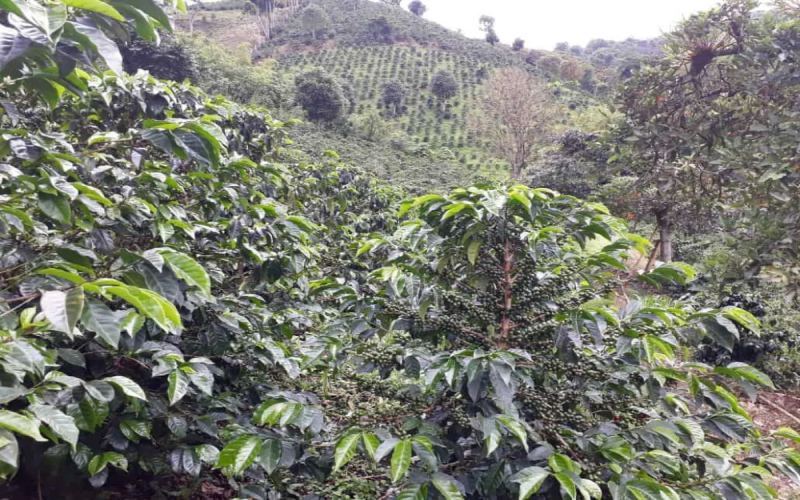
Colombia is located in the northern part of South America. Geographically, the western region consists of the Andes mountains and coastal plains, while the eastern region is made up of the Orinoco Plains and the Amazon Plains. Coffee is said to have been brought to this land by Jesuit monks in 1723, but it was not until the late 19th century that it truly developed into an industry. After that, the country experienced wars, and coffee cultivation declined for a time. The government then divided up wasteland and sold it to farmers, which allowed coffee to regain momentum in 1912 and account for half of total exports. Small farms lacked bargaining power in the market, which led to the creation of the coffee federation in 1920 and its development in 1927 into the more authoritative National Federation of Coffee Growers of Colombia (FNC). Through quality control, the establishment of research centers, and the creation of the Juan Valdez image, the FNC propelled Colombia to become the world's third-largest coffee producer and exporter. This article will also introduce Hacienda La Esmeralda in the Huila growing region, as well as Sidra and Geisha, which became popular after winning the 2022 WBC. [more…]
Yunnan small-bean coffee: growing region conditions, variety characteristics, pour-over recommendations, and flavor analysis
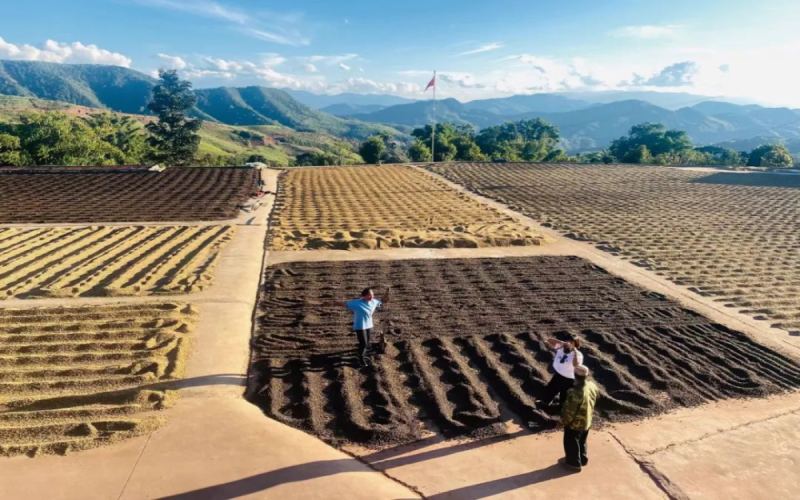
Southern Yunnan, with its low latitude, high altitude, and pronounced day-night temperature difference, has become the most suitable region in China for growing high-quality Arabica coffee. Local coffee is mostly distributed in dry-hot river valleys at elevations of 1,000 to 2,000 meters, and its flavor is characterized by moderate acidity, rich aroma, and full body. Currently, more than 90% of the varieties grown in Yunnan are Catimor, while in recent years specialty varieties such as Typica have regained attention. The 2013 sun-dried Red Cherry Typica produced by Front Street Coffee Estate uses traditional sun-drying and presents citrus, berry, fermented wine aromas, and a caramel-cream finish. This article will systematically review the tasting and usage methods of Yunnan Arabica coffee, from regional terroir and variety classification to flavor characteristics and espresso blending ideas. [more…]

US Extends National Emergency on Ethiopia, Adding New Uncertainties to Coffee Export and Trade Prospects
The United States White House announced on September 6 that it will continue to impose a national emergency on Ethiopia, a decision that came after news of a currency swap agreement between China and Ethiopia. Ethiopia's finance minister has confirmed the existence of the agreement, but specific details and the timeline have not yet been made public. Meanwhile, the United States has imposed a state of emergency on Ethiopia since 2021 under the pretext of the National Emergencies Economic Powers Act, and this extension will run until 2025. Ethiopia was removed from the African Growth and Opportunity Act (AGOA) in 2022, and tariffs were reinstated on major export goods such as coffee, textiles, and leather products, dealing a severe blow to the economy. Although the U.S. attitude slightly eased after Ethiopia implemented a new foreign exchange policy in August of this year, AGOA eligibility remains out of reach. Germany is the largest importer of Ethiopian coffee, while the United States ranks only fourth, accounting for 9.3 percent. The continuation of the state of emergency may further restrict bilateral trade, reduce U.S. imports of Ethiopian coffee, and at the same time hit Ethiopia's exports of fertilizer and industrial supplies, exacerbating local price increases and the rising cost of coffee. [more…]
A Detailed Guide to Coffee Varieties in Ecuador, South America: From Bourbon and Typica to the Flavor Characteristics of the Galápagos Islands
Located in northwestern South America, Ecuador is one of the few countries that cultivates both Arabica and Robusta coffee. Although production historically suffered a significant decline, in recent years it has re-emerged thanks to specialty coffee practices and its geographical advantages. From the Intag Valley to the highlands of Loja, from organic farming in the Galápagos Islands to ancient varieties such as Bourbon and Typica, Ecuadorian coffee displays a delicate balance among acidity, sweetness, and bitterness. This article systematically reviews the country's main producing regions, processing methods, variety characteristics, and trading systems, and introduces the Golden Cup competition and the challenges currently faced, giving you a comprehensive understanding of the coffee landscape of this equatorial nation. [more…]